──── The Spirit of Ako: A Legacy of Passion.
──── Salt, Samurai, and the Spirit of Innovation.
Located at the southwestern tip of Hyogo Prefecture, facing the Seto Inland Sea, this city has long been defined by two "whites."
One is the white of the "Salt" born from the sun-drenched waves. The other is the pure white spirit of the "Gishi" (Loyal Samurai) who maintained their loyalty to their lord amidst the falling snow.
Ako is not merely a passing point in history.
The "wisdom" and "indomitable will" carved into this land resonate deeply with the medical mission we carry today.
The Origins of "Science" Born from Sun and SeaThe Wisdom of Salt
When discussing the history of Ako, one cannot overlook its "geography." Backed by mountains, with water and soil carried by the Chikusa River, and facing a vast tidal flat spreading before the eyes. This unique condition of "River x Tidal Flat x Sea" produced "Ako Salt," boasting the highest quality in Japan. The calm Seto Inland Sea, sunlight, wind, and tidal conditions all aligned to make Ako the ideal land for salt production.
Salt making is not a task left to nature alone. It involves calculating tides, reading the wind, and concentrating solar heat. It was, in essence, the cutting-edge chemical plant of the Edo period. The people of this land have long possessed a "scientific mindset" to logically decipher and control natural phenomena. Supplying minerals—salt—essential for sustaining life to the entire nation. This land has historically been a supply base supporting people's lives.
Salt is a daily necessity and a cornerstone of distribution.
In other words, salt production was not just an industry; it was the foundation that serially shaped Ako's employment, logistics, commerce, and population dynamics.
Ako is a town where "Scientific Thinking" and "Industry" existed first, upon which history was built.
The Spirit of Team Medicine seen in "Chushingura"The Spirit of Samurai: Teamwork
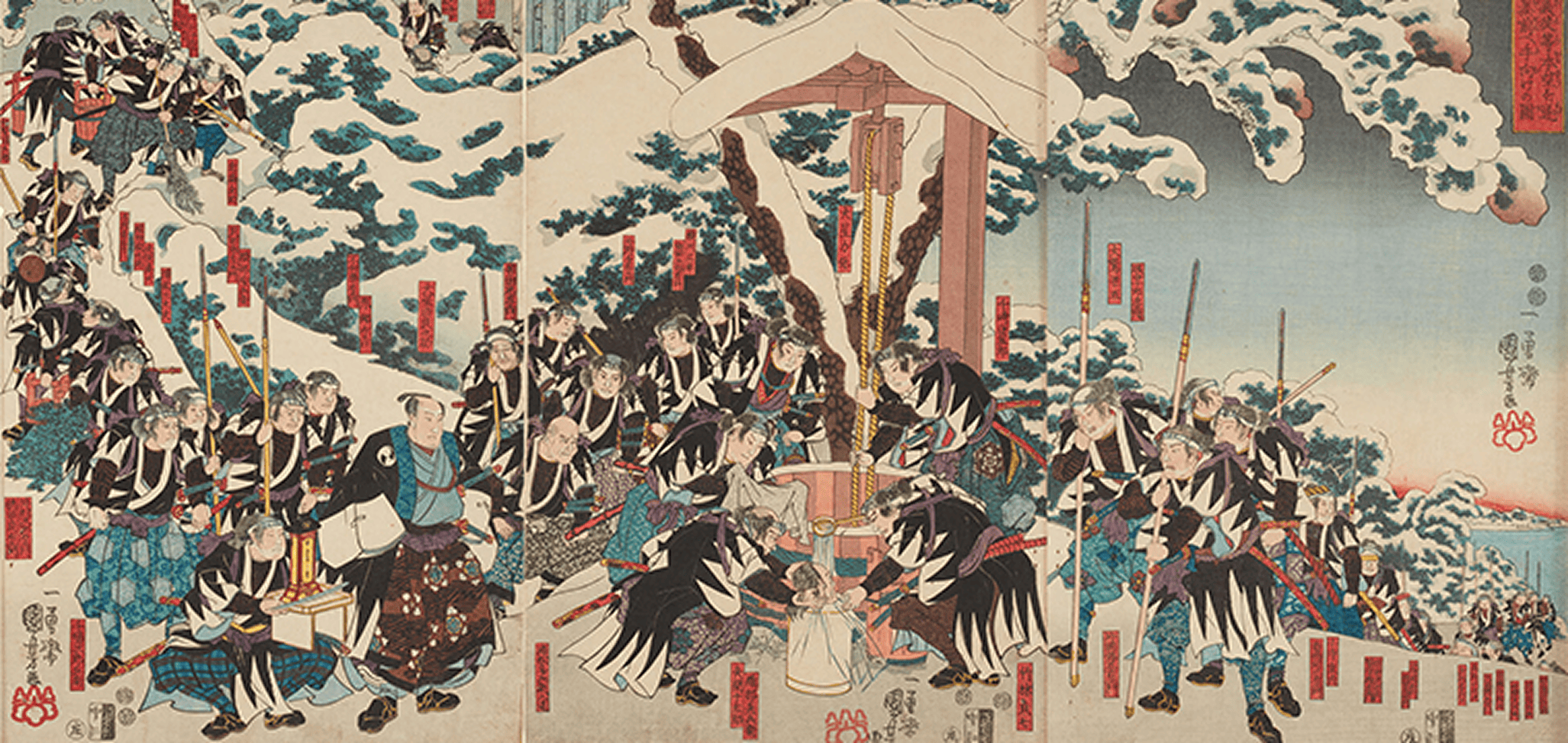
The story of "Chushingura" (The 47 Ronin) is known worldwide. Ako is the stage for this tragedy and rebirth. However, what we should learn from this history is not merely the drama of revenge.
What they achieved was "meticulous planning" under extremely difficult circumstances, "professionalism" in fulfilling individual roles, and "dedication" to burn their lives for a purpose. An organization that had been torn apart reunited for a single goal, executing a mission with discipline. This attitude of the Ako Roshi carries a spirituality that can be called the origin of modern "Team Medicine." The DNA unique to this land may very well breathe in the veins of our staff, including DMAT (Disaster Medical Assistance Team), who coordinate swiftly during emergencies to protect the region.
Beyond the story of "loyalty," the "strength" of an organization is carved into the DNA of this town.
An Open Port, A Voyage to the FutureA Gateway to the Future
While developed as a castle town, Ako has also maintained its face as a "port town." In the Edo period, it prospered as a port of call for the western shipping route (Kitamaebune) and as a departure point for ships transporting Ako salt to Osaka and Edo. It was not a closed city but had a history of constantly connecting with the outside world through the sea, accepting new goods, information, and diverse values. The mild climate of Seto and the "Openness" that does not refuse winds from the outside. This climate shapes the depth of Ako's capacity to accept many medical professionals, residents, and patients from inside and outside the prefecture.
The "moderate openness" unique to a port town.
This climate of not refusing outside winds and flexibly incorporating new technologies and values supports Ako's current stance of pursuing advanced medicine.
Port towns have a different way of mixing cultures. New technologies, food, language, and values flow in and permeate the region. Ako's "moderate openness" is an aspect supported by this Seto Inland Sea character.
Building the Future upon HistoryBuilding the Future
Ako, a city that supported the economy with salt, transported culture through its port, and polished its spirit through the loyal samurai. Even as times change and industrial structures and lifestyles evolve, the "skeleton" of this city does not waver.
Just as salt once supported people's lives. Just as samurai protected their lord with unwavering belief.
Now, we protect the lives and health of this region in the form of "Medicine." On this historic land, with cutting-edge technology and unchanging passion.
Entering the modern era, the forms of transportation, industrial structure, and labor changed.
Ako also saw a shift in the positioning of the salt-based industry, updating the town's way of working and population structure.
Chronology of Ako & Hakuho-kaiChronology of Ako & Hakuho-kai
- Ancient~Coastal life and trade develop against the backdrop of river and sea conditions.
- Edo (Mid)Developed as a castle town; clan administration and urban structure are formed.
- Edo (Late)The Ako Incident (47 Ronin) is passed down to posterity, influencing the regional image.
- Modern~Salt production functions as a core industry supporting the economy, distribution, and population.
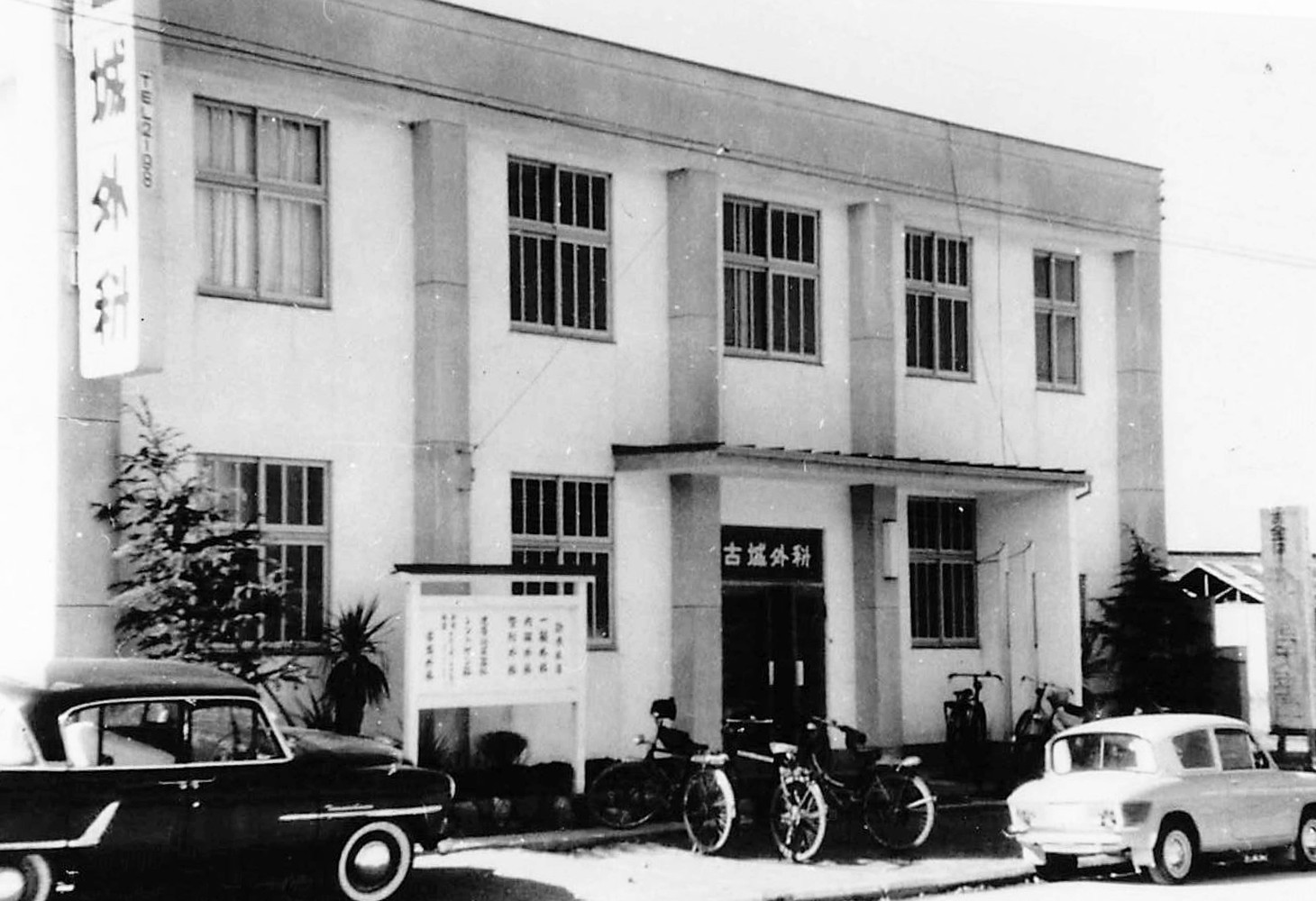
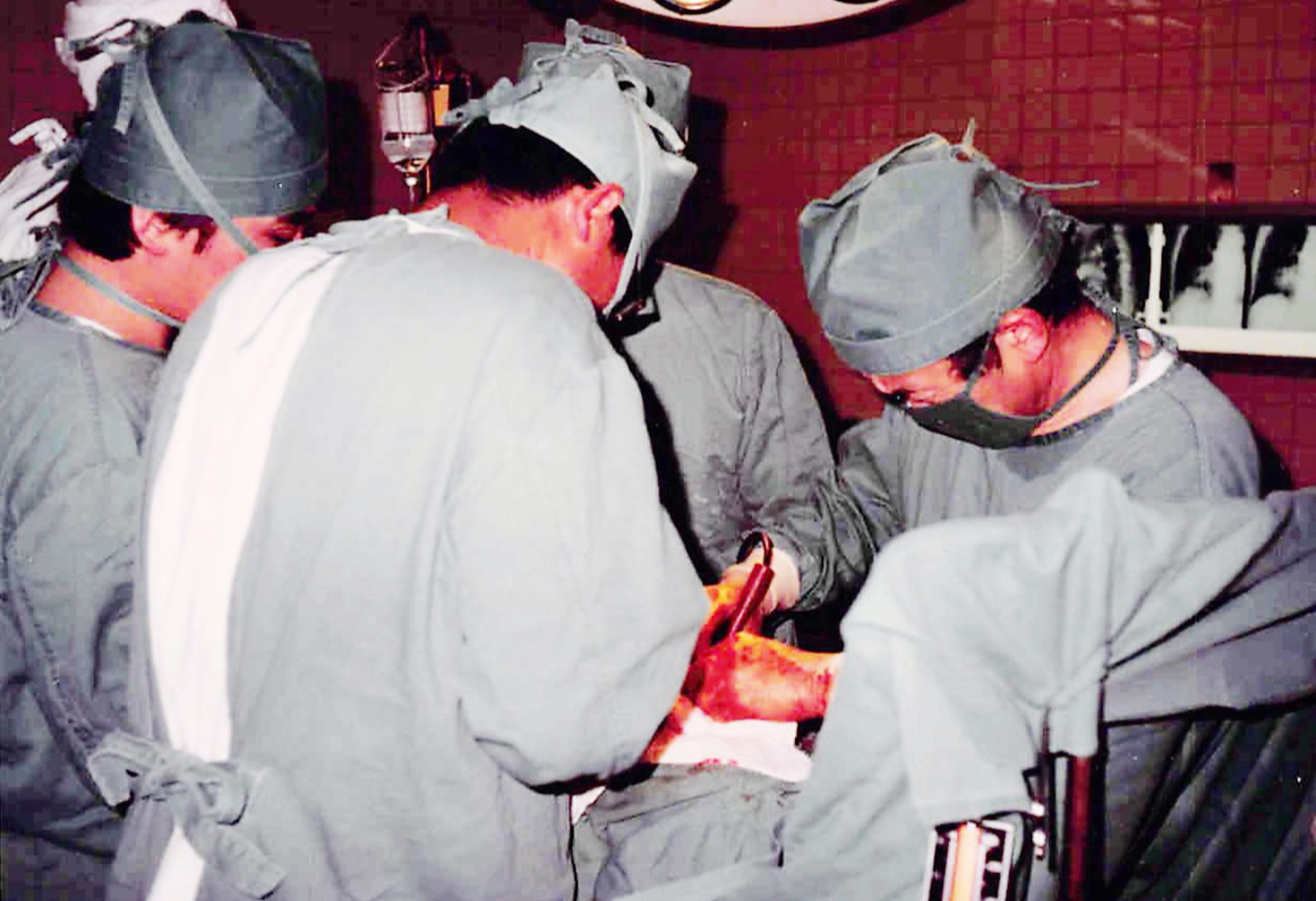
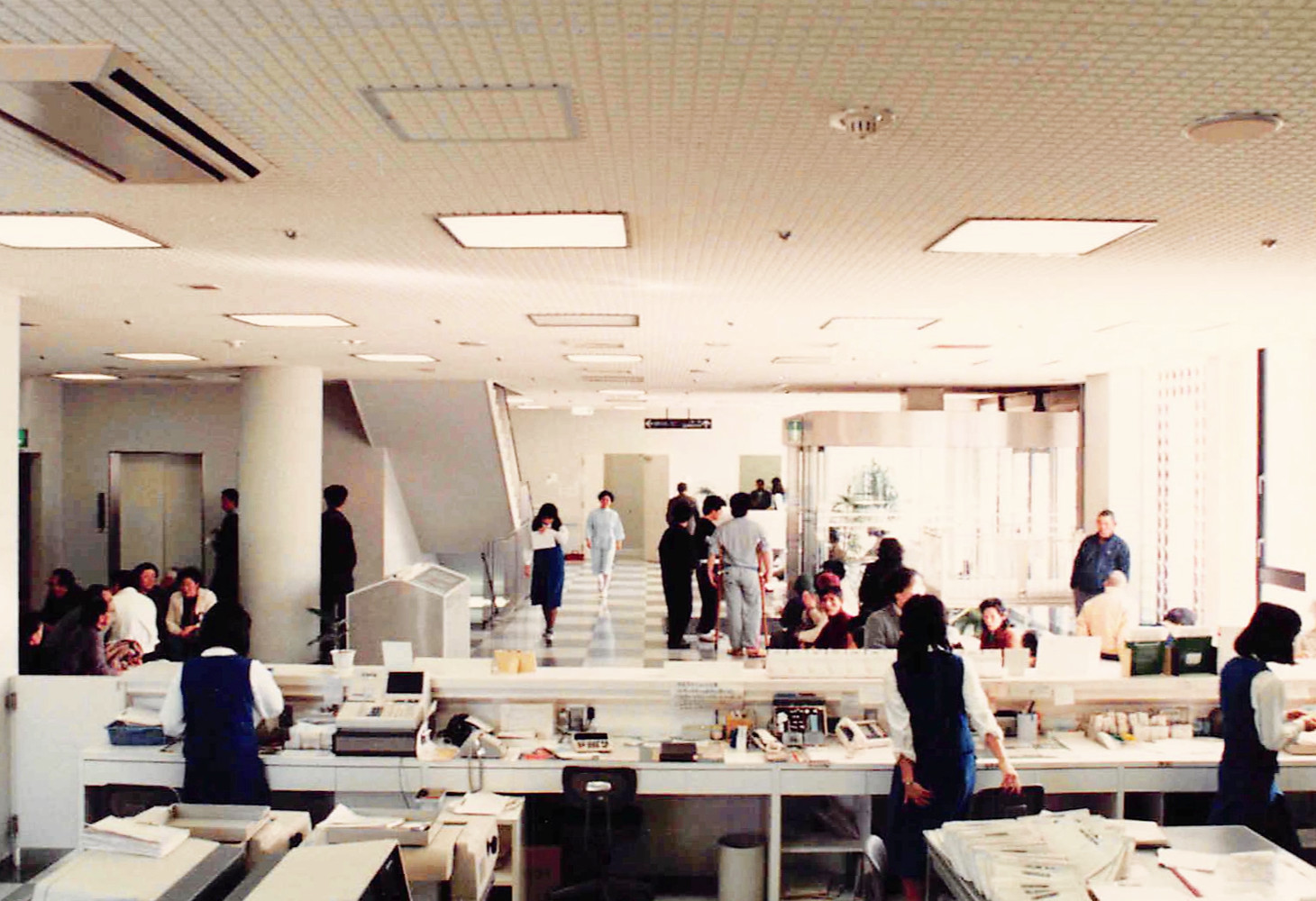
- 1964"Kojo Surgery" Established. The cornerstone of a new "medical fortress" is laid in Ako.
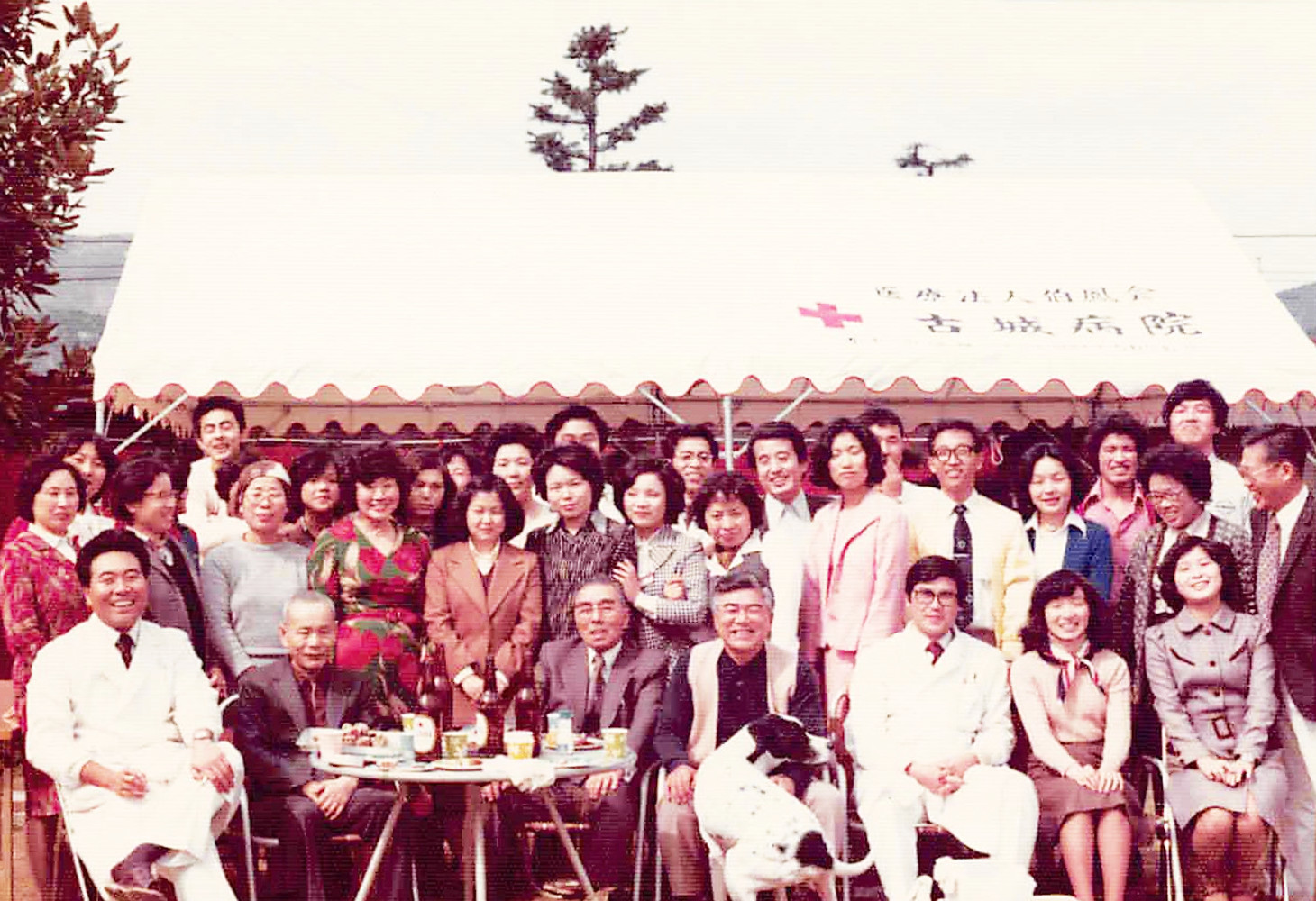
- Oct 1964Opened Kojo Hospital (transitioned from a clinic to a hospital)
- May 1970Reorganized as Medical Corporation Hakuho-kai Kojo Hospital
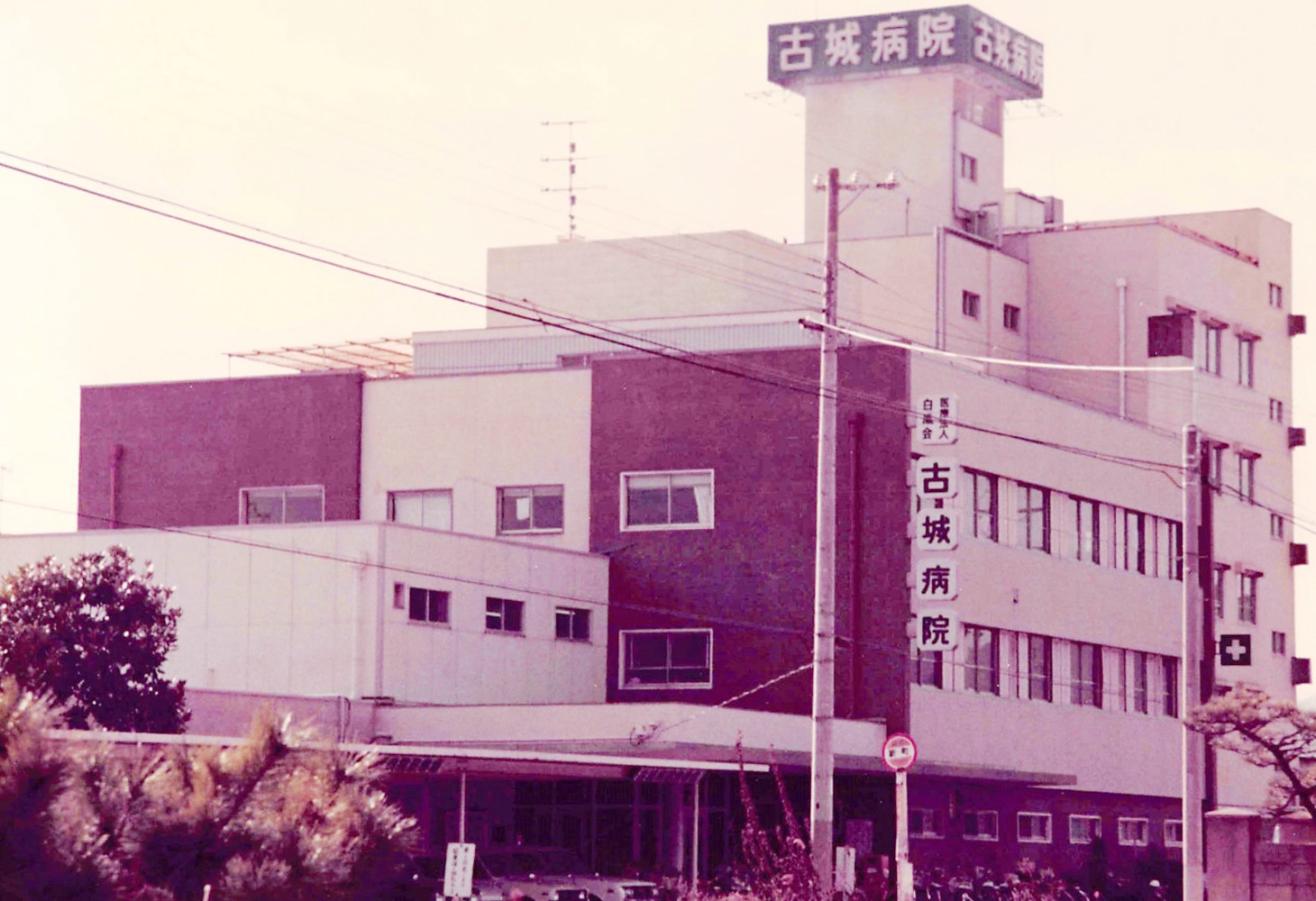
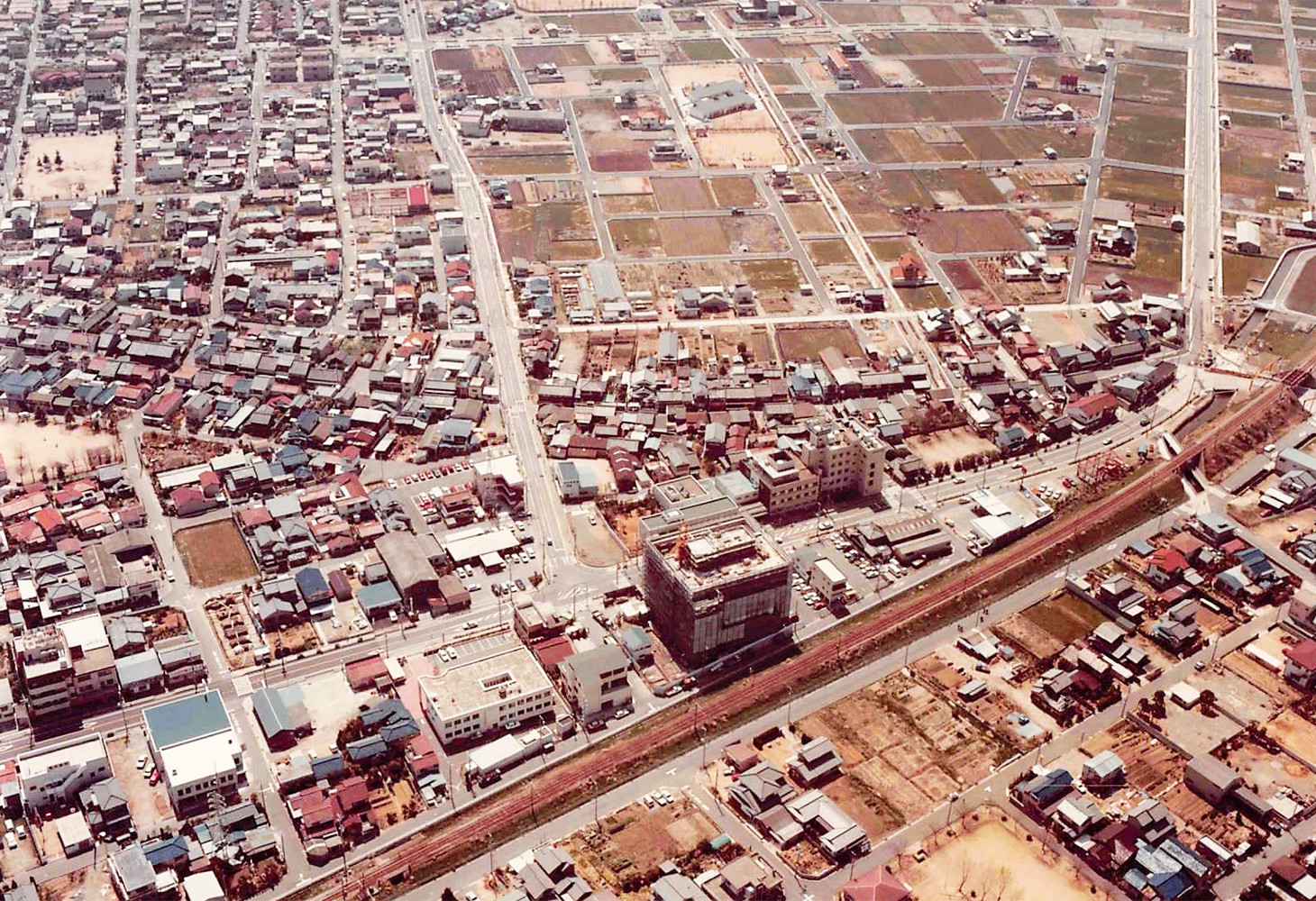
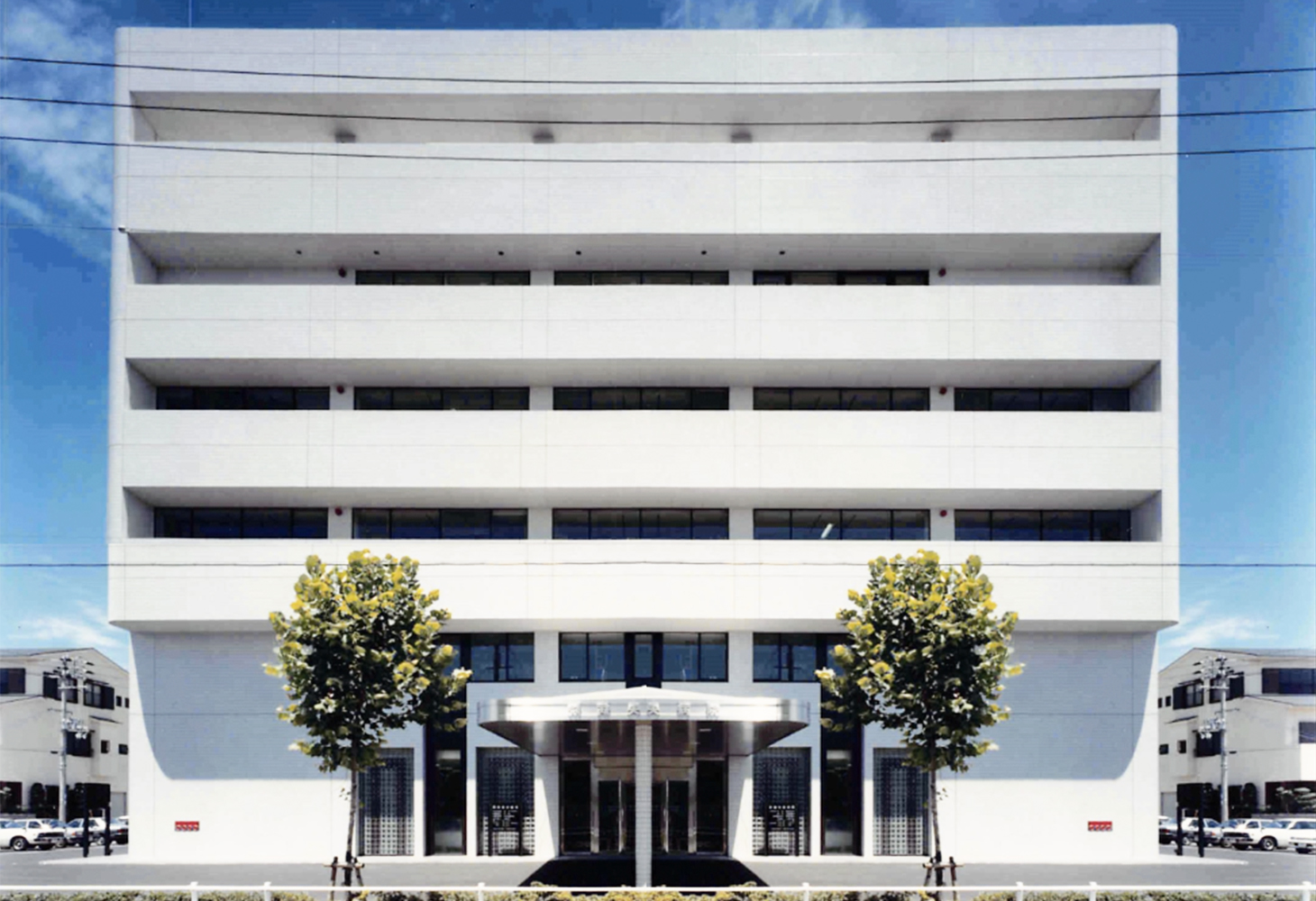
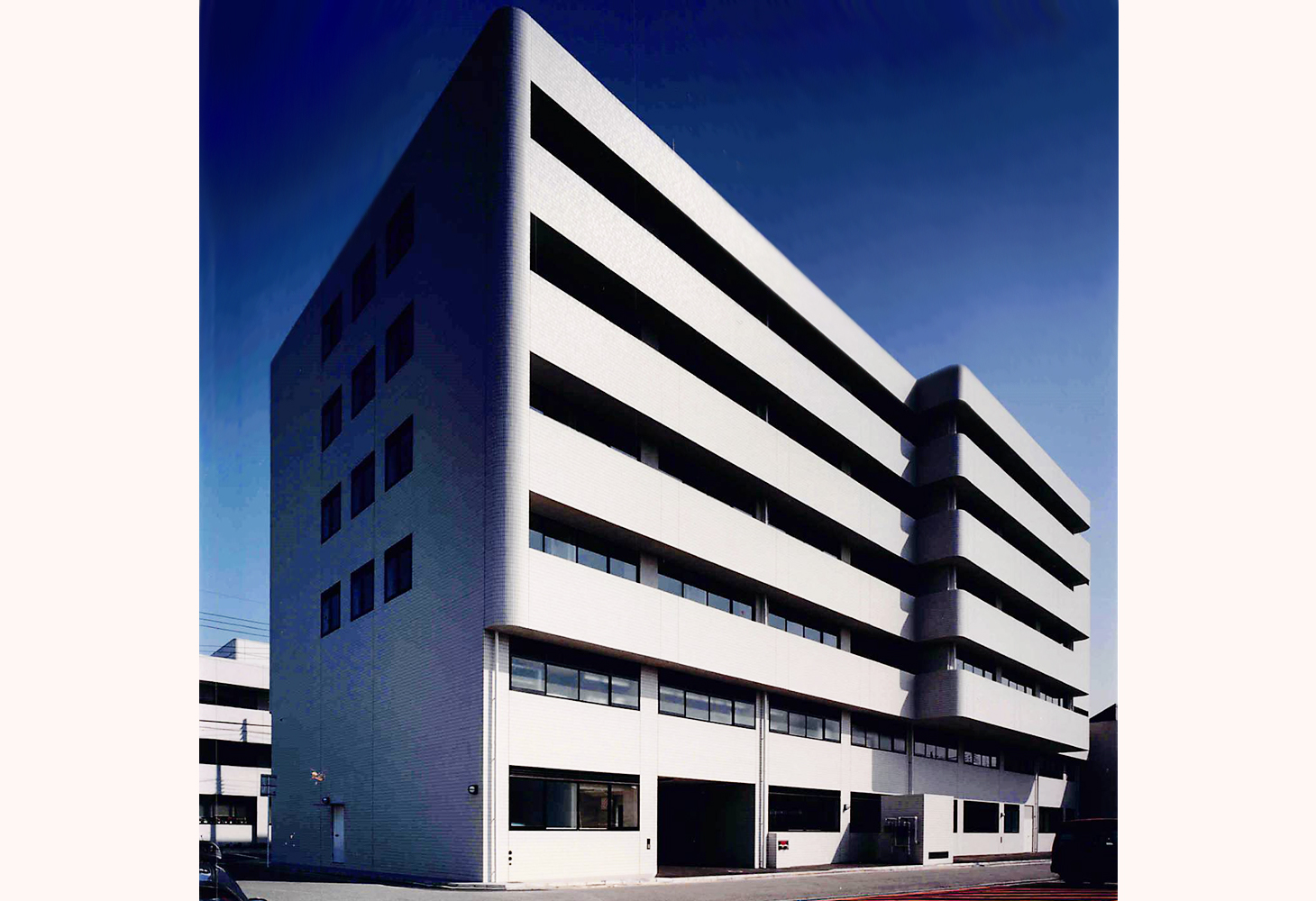
- Oct 1984Renamed from Kojo Hospital to Medical Corporation Hakuho-kai Ako Central Hospital
- Apr 1991Opened Kojo Clinic in Harima Science Garden City
- Nov 1994Opened Hakuho-kai Visiting Nursing Station
- Oct 1995Opened Hakuho-kai Plaza, a health care facility for the elderly
- Aug 2000Opened Jusco Clinic and Jusco Treatment Center affiliated with Ako Central Hospital
(Renamed Aeon Clinic in April 2011) - Jan 2001Passing of the first Chairman, Takehiko Kojo
Motohisa Kojo appointed as the second Chairman - Apr 2001Opened Ikishima Day Service Center
- Jun 2003Ako Central Hospital: Separated outpatient department, opened Ako Central Clinic
(Renamed Ako Hakuho-kai Hospital in April 2007) - Aug 2003Opened Hakuho-kai Day Service Center
- Nov 2003Ako Central Hospital: Certified as a clinical training hospital for postgraduate medical education (management type)
- Apr 2004Ako Central Hospital: Participated in DPC (Diagnosis Procedure Combination)
- Apr 2005Opened Nishi-Harima Medical Vocational School
(Renamed Hakuho-kai Medical Vocational School Ako Campus in April 2016) - Sep 2005Opened Genbukai Hills (Social Welfare Corporation Genbukai)
- Oct 2005Opened Akashi Hakuho-kai Hospital
(Renamed Akashi Rehabilitation Hospital and relocated to a new building in December 2012) - Aug 2006Opened Lifestyle Disease Management Center Physical Fitness
(Reopened as Powerhouse Ako in August 2007) - Feb 2007Opened Oguni Obstetrics and Gynecology Hospital
- May 2007Opened Shioya-no-ie
- Apr 2008Opened Somon-no-ie
Opened Sakoshi-no-ie - Apr 2009Opened Kamikawa Health and Welfare Village
Opened Kamikawa Health Care Facility for the Elderly
Opened Futami-no-ie
Opened Hakuho Life Care Center (Medical Corporation Hakuho-kai) - Jan 2010Succeeded the Osaka City Hospital business, acquired management rights of Social Welfare Corporation Osaka Gyomeikan
- Jul 2010Ako Central Hospital: Achieved 7:1 nursing care ratio (General Ward Basic Inpatient Fee)
Ako Central Hospital: Certified for Hospital Function Evaluation System Category 3 (Ver.6) - Apr 2012Osaka Gyomeikan Hospital: Entrusted by Osaka City with the operation of the Konohana Ward Southwest Comprehensive Regional Support Center
- Jul 2012Ako Central Hospital: Achieved Convalescent Rehabilitation Ward Basic Fee 1
Approved as Wide-Area Medical Corporation Hakuho-kai
Opened Shirahigebashi Hospital
Opened Bel-Air Mukojima Health Care Facility for the Elderly
Opened Wakakusa Club Dementia-Responsive Outpatient Care
Opened Mukojima Comprehensive Regional Support Center
Opened Mukojima Elderly Monitoring Consultation Room
Opened Mukojima Care Plan Center (In-home Care Support Office)
Opened Shirahige Visiting Nursing Station - Apr 2013Relocated Osaka Gyomeikan Hospital to a new building
Opened Kai-no-ie Nursing Home for the Elderly (Social Welfare Corporation Genbukai) - Jul 2013Relocated Tanpopo Nursery School to a new building
- Apr 2014Opened Hakuho-kai Medical and Nursing Vocational School
(Renamed Hakuho-kai Medical Vocational School Akashi Campus in April 2016)
Opened Hakuho Type A Continuous Employment Support Facility - Mar 2015Opened Kai-no-tsudoi Day Service Center (Social Welfare Corporation Genbukai)
- Apr 2015Opened Hakuho-kai Central Hospital
Opened Hakuho Health Care Facility for the Elderly - Jun 2015Shirahigebashi Hospital: Achieved 7:1 nursing care ratio (General Ward Basic Inpatient Fee)
Ako Central Hospital: Underwent Hospital Function Evaluation 3rdG Ver1.1 assessment
Opened Fuji-no-ie - Jul 2015Social Welfare Corporation Asoka-kai joined the Hakuho-kai Group
- Oct 2016Medical Corporation Goyokai joined the Hakuho-kai Group
- Apr 2017Relocated Tokyo Hikifune Hospital to a new building (formerly Tokyo Shirahigebashi Hospital)
- Jul 2017Opened Osaka Proton Therapy Clinic
- Nov 2017Opened Life Support Nurse Mukojima (Nursing Small-Scale Multifunctional In-Home Care)
- Dec 2017Opened Masters Club (Social Welfare Corporation Genbukai)
- Apr 2018Medical Corporation Fujimori Medical Foundation joined the Hakuho-kai Group
- Mar 2019Medical Corporation Sekijinkai joined the Hakuho-kai Group
- Jul 2020Opened Osaka Central Hospital
- Apr 2022Opened Wakakusa-no-ie Housing with Services for the Elderly
- Apr 2024Opened Hakuho-kai Kakogawa Hospital
- Apr 2025Medical Corporation Gihokai joined the Hakuho-kai Group
- 2026Towards Further Group Expansion. Developing as a medical hub with a nationwide network covering medicine, nursing care, and education.
As the one and only group that authentically inherits
the memory and spirit carved into this land.
Hakuho-kai will continue to pioneer the next generation of medicine
on the unwavering foundation of Ako's history.